

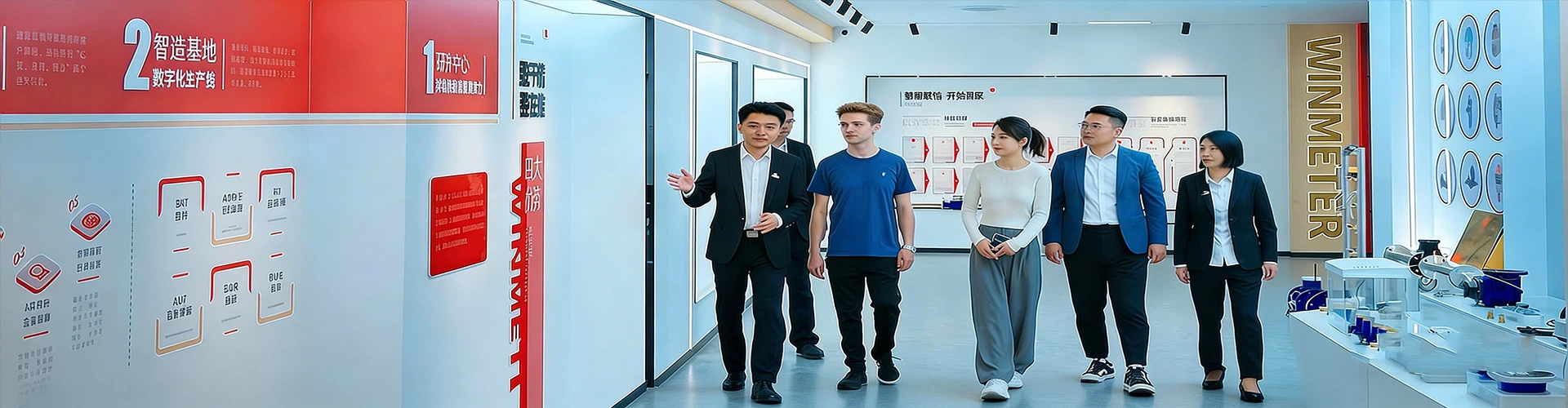
Africa faces persistent water scarcity and growing infrastructure demand, with water security remaining a key bottleneck restricting regional social and economic progress. For most local countries, outdated water supply facilities, aging and inefficient water treatment equipment, and the lack of mature operation management systems have long plagued local water governance. These practical problems make safe drinking water inaccessible to many communities and lead to low water resource utilization efficiency in daily life, agricultural production and industrial development. In response to local actual demands, Sino-African water resource cooperation has shifted from simple equipment trade to in-depth industrial cooperation, adopting a dual-driven model of customized hardware solutions and full-lifecycle full-cycle technical services. This practical cooperation model focuses on solving fundamental operational problems, effectively supporting long-term project operation and helping African regions build independent and sustainable water service capabilities.
Reliable water infrastructure hardware is the basic premise for the stable operation of all water projects. According to Africa's real water quality data, terrain features and user scenarios, we provide matched water purification equipment, fully laid water pipeline systems, practical sewage treatment devices and intelligent water monitoring sensors. All hardware products are not standardized universal products, but specially optimized for local special climatic conditions and complex geographical environments. With high-temperature resistance, corrosion resistance and dust-proof performance, the equipment can adapt to extreme weather such as long-term high temperature, seasonal drought and concentrated rainfall, effectively avoiding the high failure rate and short service life of traditional water engineering facilities in harsh environments. In addition, the modular design of on-site hardware greatly reduces installation difficulty and later dailymaintenance costs, making large-scale promotion and long-term stable operation of local water projects more feasible and economical.
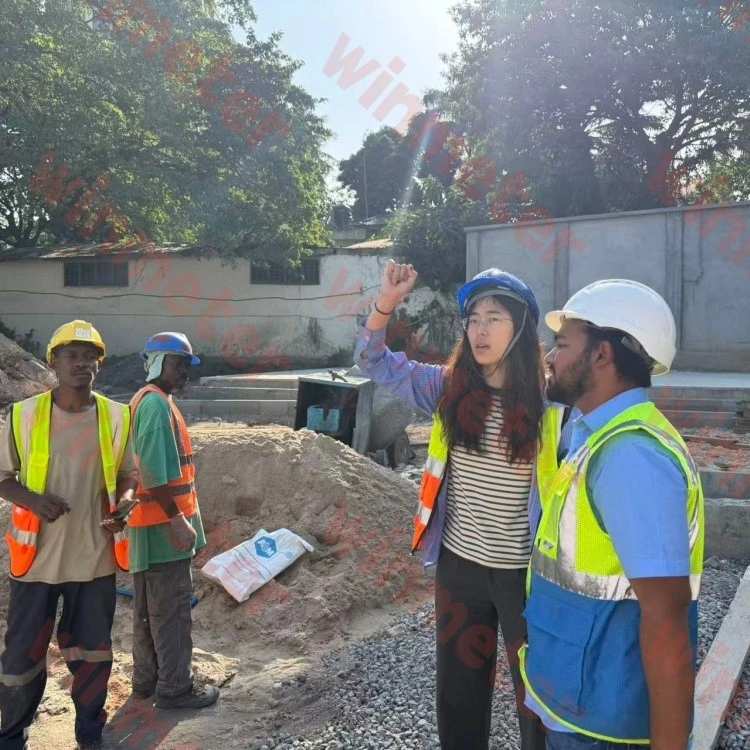
Hardware delivery alone cannot guarantee sustainable project operation, which is why localized full-cycle technical services become the core of cooperative empowerment. The service system covers the whole process of project implementation, including early-stage professional project consultation and targeted scheme design, on-site installation guidance during construction, systematic technical training after project completion, daily equipment maintenance, real-time operational monitoring and emergency fault disposal. Before project commencement, our technical teams conduct field research and accurate water quality testing to avoid impractical design schemes caused by insufficient local data. In the construction stage, front-line engineers guide local staff to implement unified construction specifications, ensuring every construction link conforms to actual application standards and eliminating hidden dangers for subsequent operation.
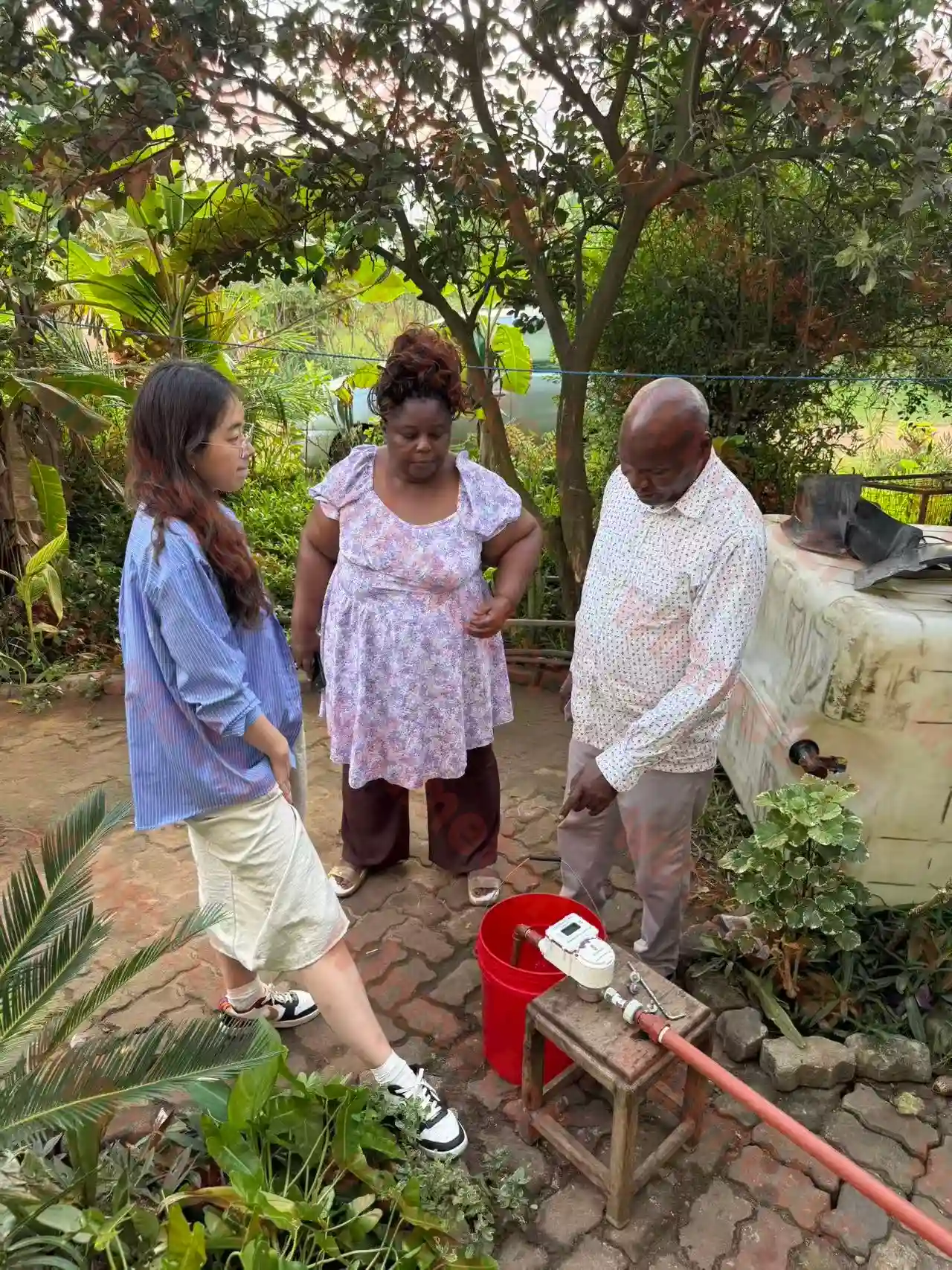
Post-operation management is the key to determine whether water projects can benefit local people for a long time. We provide continuous after-sales support and hierarchical skill training for local employees, focusing on cultivating a group of professional water management talents who understand local conditions and master professional technologies. This localized talent cultivation mode fundamentally improves regionalwater project operation capacity and gets rid of the long-term dependence on foreign technical teams. Equipped with professional data analysis tools, project operators can grasp equipment operation status and water resource consumption in real time, realize scientificoperation optimization, and complete advance judgment and early disposal of potential risks. This hardware and service integrated model effectively solves the common problem of "easy construction, difficult operation" of foreign water projects in Africa.
After years of practical promotion, this cooperative model has achieved stable landing effects in many regions of Africa. It has effectively raised local water safety standards, optimized scientificwater resource allocation, and effectively guaranteed residents' domestic water and basic agricultural water use. While improving people's livelihood, the project also promotes local ecological environment construction and realizes coordinated development of water security, ecological protection and economic construction. In the future, Sino-African water cooperation will continue to focus on localization and practicality, further upgrade hardware intelligence, enrich refined service content, continuously polish project operation modes, and provide sustainable, replicable and high-quality water solutions for Africa's regional development.
Contact Us
Company Name: Zhisheng Meijia Intelligent Technology (Shandong) Co., LTD
Website: www.winwatermeter.com
Email: shawndu@winmegameter.com
WhatsApp: +8615330027467
Keywords
water scarcity, infrastructure demand, water resource cooperation, water supply facilities, water treatment equipment, operation management, drinking water, water resource utilization, hardware solutions, full-cycle technical services, long-term project operation, water infrastructure hardware, water purification equipment, water pipeline systems, sewage treatment devices, water monitoring sensors, climatic conditions, geographical environments, water engineering facilities, installation difficulty, maintenance costs, project consultation, scheme design, installation guidance, technical training, equipment maintenance, operational monitoring, fault disposal, water quality testing, construction specifications, after-sales support, water management talents, water project operation capacity, data analysis, operation optimization, water safety standards, water resource allocation, ecological environment construction, regional development, sustainable development, modular design, intelligent monitoring, localized operation, risk early warning, resource saving, livelihood improvement, technical empowerment, project iteration, regional cooperation, facility upgrading
FAQ
Q1: What are the core advantages of our African water cooperation model compared with traditional water project cooperation?
A1: Traditional African water cooperation mostly stays on simple equipment sales or one-time project construction, lacking follow-up technical support and operational guidance, leading to many projects falling into disrepair after completion. Our model integrates adaptive hardware solutions and full-cycle technical services, focusing on localized adaptation and long-term operational empowerment, which fundamentally solves the pain point of short project service life and difficult sustainable operation in African regions.
Q2: Are the water hardware devices adapted to Africa's special natural environment?
A2: Yes. All hardware is specially optimized for Africa's high-temperature, arid and alternating wet-dry climate. It adopts anti-corrosion, high-temperature resistant and durable materials, and the modular structure adapts to complex local terrain, reducing equipment failure rates caused by harsh environmental factors.
Q3: What full-cycle technical services are specifically included in the cooperation?
A3: The services cover the entire project life cycle, including pre-project water quality detection and scheme customization, on-site installation and construction guidance during implementation, regular equipment maintenance, real-time operational monitoring after completion, emergency fault handling, and long-term local staff technical training.
Q4: How does the model realize long-term stable operation of water projects?
A4: It relies on two core points: first, high-adaptability hardware reduces failure and maintenance frequency; second, continuous technical training cultivates local professional operation teams, and intelligent data monitoring realizes operational optimization and risk early warning, avoiding project stagnation due to technical gaps.
Q5: Can the cooperation scheme be adjusted according to different African countries' actual conditions?
A5: Absolutely. We will conduct on-site research on local water quality, population demand, infrastructure foundation and climatic characteristics of each region, and formulate personalized hardware matching and service schemes to fit local actual development needs, with no one-size-fits-all mode.
Q6: What are the core benefits for local regions after project implementation?
A6: It directly improves local drinking water safety and water supply stability, solves domestic water and preliminary agricultural water demand, optimizes regional water resource allocation, reduces water resource waste, and drives the cultivation of local water industry talents to support long-term regional livelihood and ecological development.
Q7: How to solve the problem of difficult after-sales maintenance of overseas water projects?
A7: We build a localized service mechanism, arrange regular on-site inspections by technical teams, establish remote real-time monitoring channels for equipment, and train local maintenance personnel independently. Minor faults can be solved locally in a timely manner, and complex problems support rapid emergency response by professional teams.
Q8: Is the modular hardware design conducive to subsequent project expansion and upgrading?
A8: Very conducive. The modular design supports free assembly and partial replacement of equipment. When local water demand increases or water quality treatment standards need to be upgraded, we can carry out partial facility iteration and function expansion without overall reconstruction, saving project investment costs.
Q9: What kind of local talent training support will be provided in the cooperation?
A9: We provide on-site hands-on teaching and regular standardized skill training, covering equipment operation, daily maintenance, fault judgment, data monitoring and project management. We help local staff master professional technologies and form an independent operation and maintenance team.
Q10: What is the future development direction of Sino-African water cooperation?
A10: On the basis of consolidating existing project operation results, we will further promote the intelligent upgrading of hardware equipment, enrich refined service scenarios, deepen localized cooperation, and build a replicable and promotable African water project operation system to drive coordinated regional water resource sustainable development.