

With smart water management developing fast, LoRaWAN-based smart water meters are gaining more and more attention all over world. According to IoT Industry Alliance, the number of LoRaWAN connections passed 300 million in 2024, about 10% is used for water management. By 2030, the installed base of LoRaWAN smart water meters will reach 200–250 million units, it will take around 30% of global smart water meter market.

In Europe, countries like France, Italy, and Spain have deployed more than 10 million LoRaWAN water meters. French water utilities Veolia and Suez use this technology to monitor water usage for over 5 million peoples. North America market also growing, more than 200 small to medium utilities adopt LoRaWAN to replace old RF Mesh system. By 2027, total deployment expected to exceed 6 million units.

Asia market is developing fast. Over 500,000 LoRaWAN water meters installed in Chinese cities and industrial parks. In India and Southeast Asia, where NB-IoT coverage not enough, about 3 million new units expected in next five years. Africa and Middle East prefer LoRaWAN for its low power, long distance and easy network control. Shipments will exceed 1.5 million units by 2025, South Africa and Saudi Arabia is the main market.

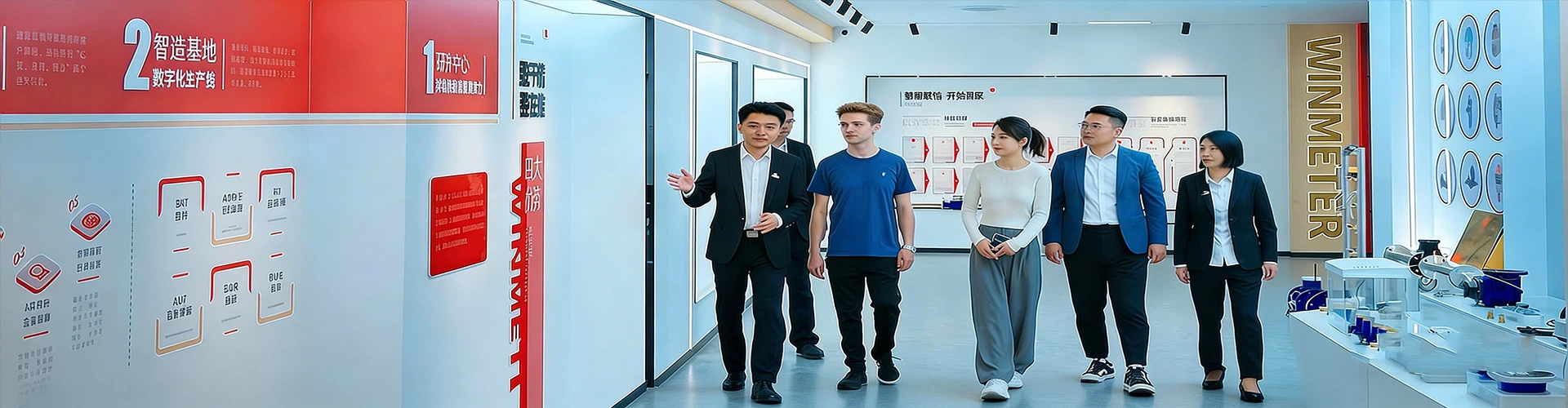
Chinese company Zhisheng Meijia Technology stands out with technology innovation and strong R&D. Their LoRaWAN ultrasonic water meters support 8–15 years battery life and 2–20 km long communication, with better accuracy and leak detection for complex water environment. Zhisheng Meijia products export to Africa, Southeast Asia and Latin America, already work in many cities, help local water management more efficient.

LoRaWAN water meters have big advantage: one gateway can connect 5,000–15,000 meters, it reduce operation cost a lot. Module cost is lower than NB-IoT, whole device price usually 15–20% cheaper than similar cellular smart meter. Zhisheng Meijia improve material and production process, give products competitive in cost and reliability.

But there are still challenges, include frequency band difference between countries and NB-IoT competition. Research shows by 2028, NB-IoT and LoRaWAN will dominate smart water meter market, NB-IoT around 45%, LoRaWAN about 35%, the rest shared by RF Mesh and other technology. Zhisheng Meijia speed up adoption in high-standard market by international certifications and field test.

Experts say LoRaWAN is good in remote area and private network, but NB-IoT is stronger in telecom-led urban market. With two technologies develop together, smart water meter market will have big growth in next 5–10 years. Zhisheng Meijia's innovative technology and global plan make it more important in international market.
This trend not only speed up global smart water meter adoption, also bring new chance for water saving and sustainable development.
Contact us:
[Company] Zhisheng Meijia Technology (Shandong) Co., Ltd(WINMETER)
[Email] shawndu@winmegameter.com
[whatsApp] +8615330027467
[Website] https://www.winwatermeter.com/